
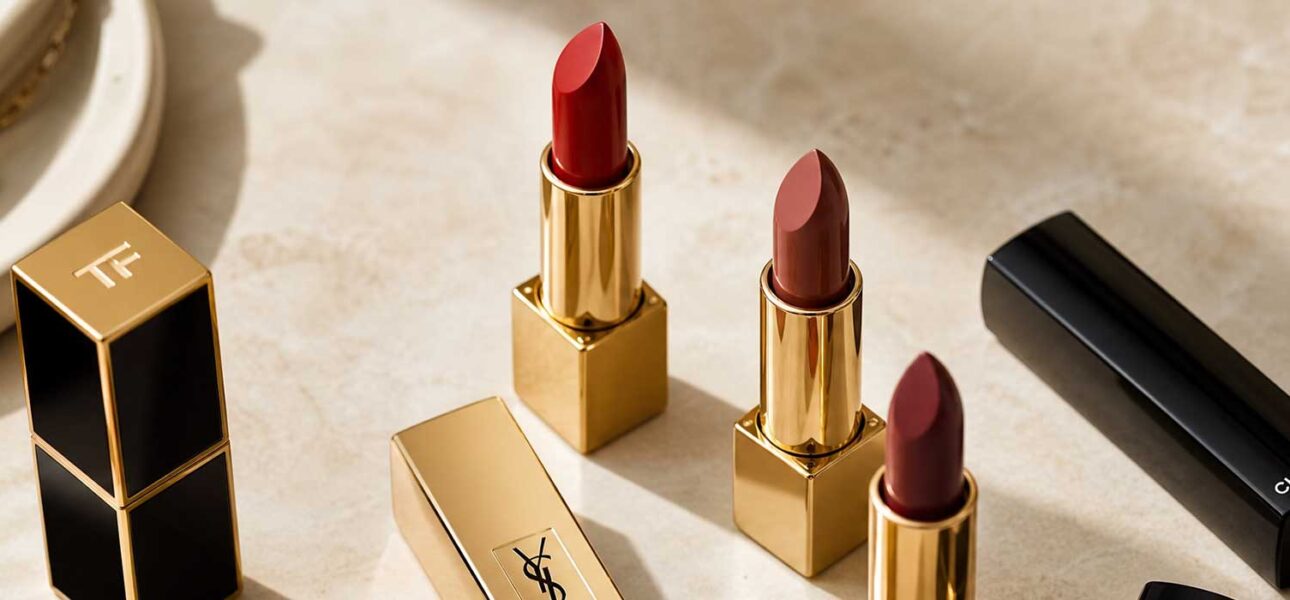
Every year, the global beauty industry sells over 900 million units of lipstick. One number — across every economic condition, every cultural shift, every technology disruption — that number holds. Of all the cosmetic products ever invented, lipstick is the one that refuses to yield its place in the lives of consumers worldwide.
But the question of which shades hold that place is far more interesting than the broad statistic suggests. Popular lipstick shades are not uniform across the globe. They shift with culture, skin tone demographics, runway influence, social media cycles, and the seasonal preferences of specific regions. A shade dominant in Seoul may be invisible in São Paulo. A colour beloved across South Asia may feel alien in Scandinavia.
At Advik Colors, we manufacture the cosmetic-grade pigments that sit at the foundation of every lipstick shade on this list. We supply brands globally — and that position gives us a manufacturing-floor view of shade demand that goes well beyond trend reporting. When our orders for D&C Red pigments spike, it tells us something real about where the market is moving. This guide draws from that perspective to give you a view of the world’s most popular lipstick shades that is grounded in production reality, not just editorial opinion.
Why Popular Lipstick Shades Matter Beyond the Consumer
For everyday makeup wearers, a popular lipstick shade represents confidence, identity, and cultural participation. For cosmetic manufacturers and brand formulators, shade popularity is a strategic business signal with direct production and supply chain implications.
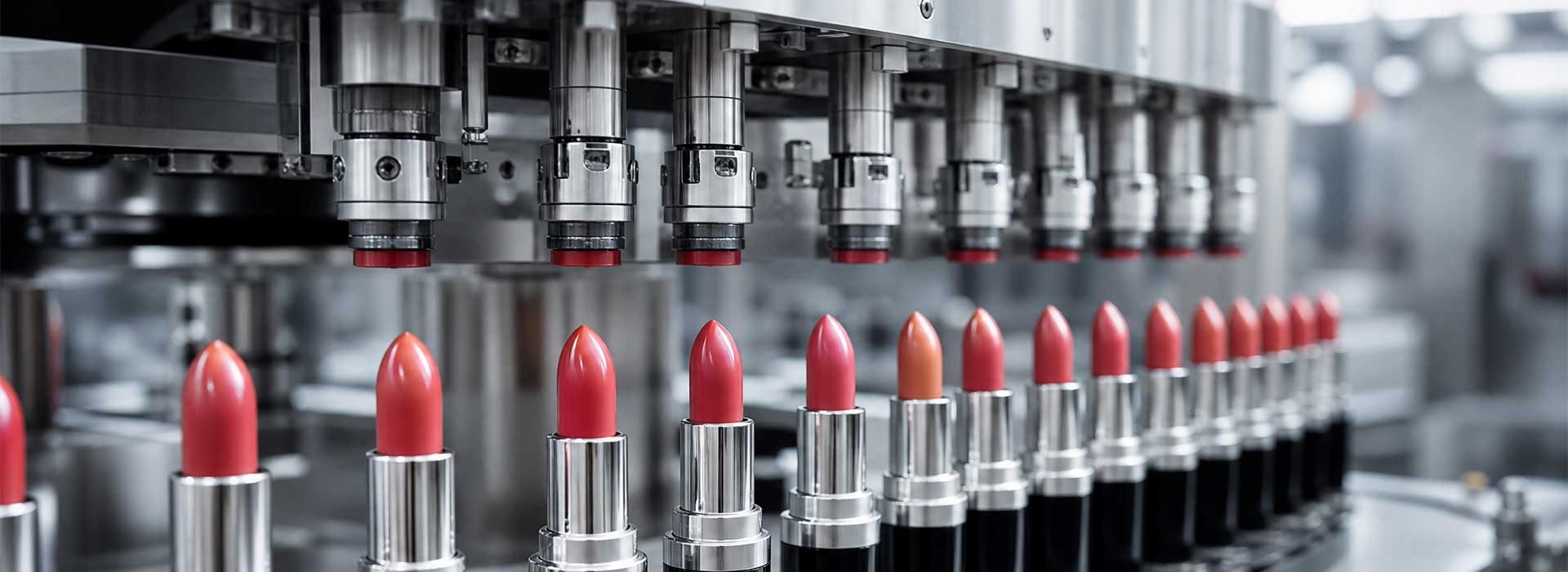
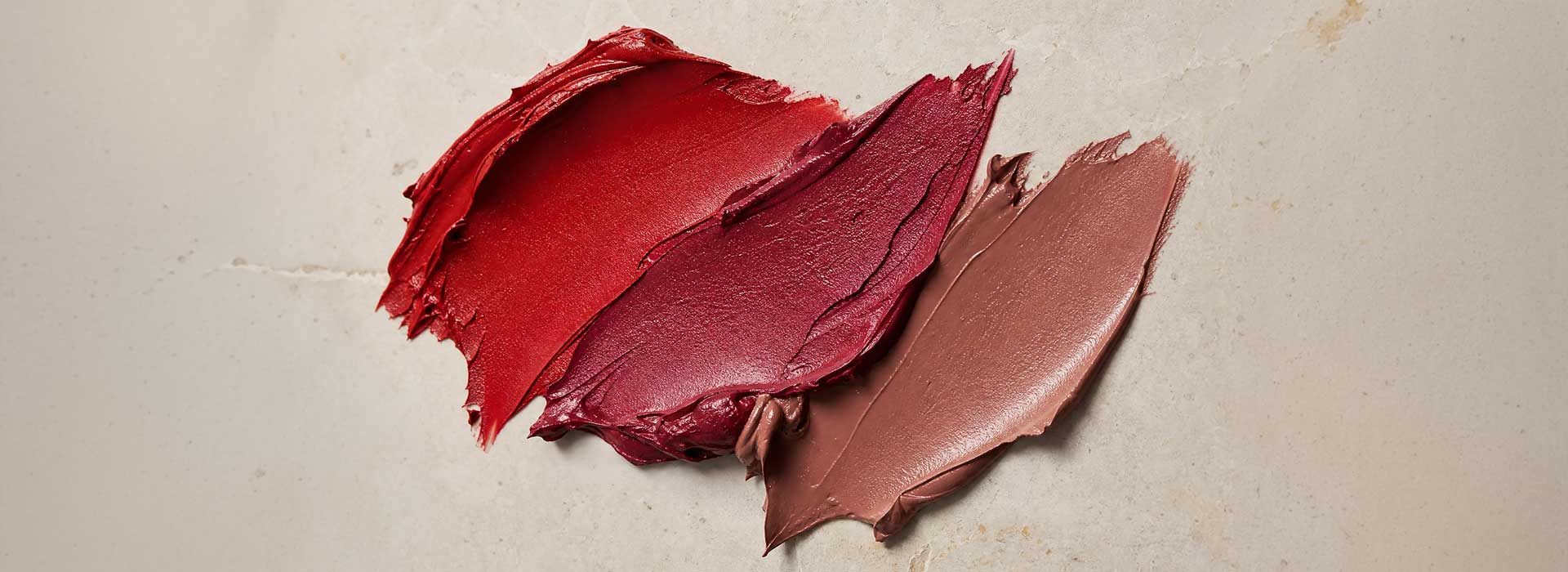
When a shade family trends globally, demand for the specific pigment combinations that create it rises sharply. Red lipstick surges require heat-stable, high-intensity D&C Red dyes that survive the hot-pour lipstick manufacturing process without hue shift. Nude collections demand ultra-precise iron oxide blends to achieve skin-matching undertones without chalky results. Berry collections require carefully balanced cool-red pigments with violet undertones that hold their colour through stability testing.
The gap between a beautiful popular shade on a brand’s concept board and that same shade on a consumer’s lips is the pigment — and the quality of that pigment determines everything from the first impression to the last use.
🔶 Manufacturing Perspective
In our experience supplying cosmetic pigments across South Asia, the Middle East, Europe, and beyond — the most consistently undervalued factor in a great lipstick is batch-to-batch pigment consistency. A shade can be perfect in development and unpredictable in production if the pigment specification isn’t tight enough. This is the hidden difference between a brand that earns consumer trust and one that quietly loses it over repeat purchases.
🎨 Advik Colors manufactures cosmetic-grade pigments for lipsticks, eyeshadows, foundations, and personal care products globally. Explore our full cosmetic pigments range →
The 7 Most Popular Lipstick Shades Worldwide
Each shade family — with pigment science, regional data, and Advik’s manufacturing view
Popular Lipstick Shades by Region — A Global Snapshot
The most popular lipstick shades differ significantly by geography. Skin tone demographics, cultural aesthetics, climate, and local beauty traditions all shape which shade families dominate each regional market. This table captures the dominant patterns based on available market data and our own pigment order trends by region.
| Region | Dominant Popular Shades | Notable 2026 Trend |
|---|---|---|
| North America | Red · Nude · Berry | Clean beauty nudes rapidly rising; cherry red dominant this season |
| Europe | Berry · Dark Red · Mauve | Muted editorial shades and terracotta nudes leading premium |
| South Asia | Pink · Coral · Red | Bold high-pigmentation strongly preferred; glazed coral growing fast |
| East Asia | Pink · Coral · Sheer Tint | Gradient lip & sheer balm formats leading innovation |
| Middle East | Deep Red · Berry · Dark Brown | Long-wear, high-pigment formulas dominant year-round |
| Latin America | Coral · Hot Pink · Red | Warm-toned vivid shades consistently outperform cool tones |
The Pigment Science Behind Popular Lipstick Shades
Behind every globally popular lipstick shade is a precise combination of cosmetic pigments, formulation decisions, and regulatory compliance work. Understanding this science matters for anyone involved in developing or sourcing lip products.
Organic vs. Inorganic Pigments in Lipstick
Organic pigments — the D&C and FD&C certified colorant families — produce the vivid, high-chroma shades that define the bolder end of the popular lipstick shades spectrum: reds, pinks, corals, berries, and dark plums. They deliver the colour intensity that makes a bold lip truly bold, but require careful evaluation for heat stability and light fastness.
Inorganic pigments — iron oxides, titanium dioxide, and black iron oxide — produce the nuanced earthy shades that define the quieter end: terracotta nudes, chocolate browns, and dusty roses. These mineral-based pigments offer exceptional stability under heat, light, and pH variation — properties that make them ideal for shades worn daily and expected to perform consistently across their full shelf life.
Three Properties Every Lip Pigment Must Have
Heat stability is non-negotiable because lipstick manufacturing uses hot-pour processes that can shift or degrade inferior pigments, altering the final shade from its intended colour. Light fastness is critical because products sit under retail lighting for weeks or months before purchase, and fading at point of sale is a direct commercial problem. Regulatory compliance is mandatory — lip products are incidental ingestibles, and each market maintains specific approved colorant lists for lip use that both brands and their pigment suppliers must adhere to.
📊 Original Data — From Advik Colors’ Manufacturing Floor
Based on pigment orders processed through Advik Colors’ cosmetic division in 2025–2026: D&C Red pigments account for our highest cosmetic pigment order volume, consistent with red remaining the world’s top-selling lipstick family. In the past eight quarters, iron oxide orders for warm terracotta and brown formulations have grown 19% — aligning with global nude and brown shade resurgence. FD&C Red 40 Al Lake orders for low-concentration sheer tint applications are up 24%, reflecting the growing sheer balm-tint trend in production data, not just social media metrics.
20%
Reduction in formulation waste with stable, consistent pigments
15%
Boost in consumer confidence from repeatable shade quality
10%
Increase in shelf visibility with vibrant, light-stable pigments
🔬 Advik Colors manufactures both organic and inorganic cosmetic pigments, compliant with global cosmetic regulatory standards. View our full cosmetic pigment catalogue →
Choosing the Right Pigments for Popular Lipstick Shades — A Formulator’s Guide
For cosmetic brand owners and formulators developing lipstick ranges around globally popular shades, the pigment selection process should follow a disciplined sequence. Here is how experienced formulators approach it:
1
Define Shade Family and Finish
The shade family (red, nude, pink, berry, coral, brown, dark) and intended finish (matte, satin, gloss, metallic) together determine which pigment candidates are appropriate. These two decisions immediately narrow the field to specific regulatory-approved colorants and their known performance characteristics in that base type.
2
Verify Regulatory Approval for Target Markets
Lip products face stricter colorant regulations than most other cosmetic categories. The FDA’s approved lip colorant list, EU Cosmetics Regulation Annex IV, and other regional frameworks must be reviewed before finalising any pigment selection. A pigment approved in one market may be restricted or prohibited in another — brands selling globally must confirm compliance for every target geography before development begins.
3
Request Samples and Run Stability Testing
A lab sample with the right initial colour is a starting point, not a finished result. Lipstick formulas must be stability-tested at elevated temperatures (simulating hot-pour production and warm storage), under UV and fluorescent light (simulating display conditions), and over the full claimed shelf life. Only pigments that maintain hue fidelity through this testing should be committed to commercial production.
4
Lock In Batch Specifications with CoA Documentation
The most consistent source of shade variation across commercial lipstick production is pigment variability from one order to the next — subtle differences in particle size, concentration, or dye content that shift the final shade in ways that are visible to consumers. Working with a manufacturer who provides tight batch-to-batch specifications and Certificate of Analysis (CoA) documentation with every order is essential for brands scaling from initial development to commercial volumes.
💡 The Underrated Truth
The most common and most costly mistake in lipstick development is treating pigment sourcing as a procurement decision rather than a formulation decision. The origin, grade, and specification of your cosmetic pigments for lipsticks directly determines whether your shade performs consistently in batch 1,000 as it did in batch 1. A beautiful formula built on variable pigments will produce inconsistent products — and inconsistent products erode consumer trust faster than almost anything else in beauty.
Frequently Asked Questions
What is the most popular lipstick shade in the world?
Red is consistently the most popular lipstick shade globally, with universal demand across cultures, age groups, and demographics. Within the red family, blue-toned reds and orange-toned reds serve different complexion preferences, but true reds — sitting between both extremes — remain the highest-volume shade in most global markets. After red, nude and pink shades compete closely for second depending on the region.
Which lipstick colour suits all skin tones?
Common pigments in red lipstick include D&C Red 6 Na Salt (C.I. 15850), D&C Red 27 (C.I. 45410:1), D&C Red 36 (C.I. 12085), and D&C Red 21 (C.I. 45380:2). The specific selection determines the warmth of the red: D&C Red 36 tends toward orange-red tones, while D&C Red 27 produces cooler, blue-leaning reds. Most commercial red lipsticks use a blend of two or more of these to hit their exact target hue.
Are cosmetic pigments safe for lip products?
Yes — when sourced from compliant manufacturers. Lip products are subject to stricter colorant regulations than skin or eye products because lipstick is regularly consumed in small quantities. In the US, the FDA maintains a specific list of colorants approved for lip use. The EU’s Cosmetics Regulation Annex IV covers the same ground for European markets. Brands must verify their pigment supplier’s compliance documentation before using any colorant in a lip formula.
What is the difference between organic and inorganic lipstick pigments?
Organic pigments are carbon-based and produce vivid, high-chroma shades — the reds, pinks, corals, and berries that define the world’s most popular lipstick shades. Inorganic pigments (iron oxides, titanium dioxide, black iron oxide) produce earthy nudes, browns, and deep dark shades with excellent heat and UV stability. Most commercial lipstick formulas use both types in combination — organic pigments for hue intensity and inorganic pigments for depth, opacity, and tonal control.
How do manufacturers choose pigments for lipstick shades?
Manufacturers select lipstick pigments based on regulatory compliance for the target market, the colour index number and known hue characteristics of the pigment, heat stability performance under hot-pour manufacturing conditions, dispersion quality in the specific wax and oil base system, and batch-to-batch consistency documentation. Supplier reliability for continuous supply at commercial volumes is also a critical selection factor for brands scaling beyond development batches.
Conclusion
The world’s most popular lipstick shades — from red’s timeless authority to the warm universality of brown and mauve, the playful diversity of pink, and the bold confidence of deep dark shades — share a single common foundation: the quality of the pigments that create them.
Behind every shade that earns a permanent place in a consumer’s makeup collection is a formulation choice, a pigment sourcing decision, and a manufacturing process that either delivers consistency or doesn’t. The shades that win global popularity do so because they look the same on shelf as they do in advertising, and the same in the tenth batch as in the first. That reliability is not an accident — it is the result of working with cosmetic pigments that are manufactured to the right specifications.
At Advik Colors, we manufacture those pigments — organic and inorganic, in compliance with global regulatory standards, tested for the stability properties that lip products specifically demand. If you are developing a new lipstick range or looking to improve the consistency of your existing shades, we would welcome the conversation.
Get Started with Advik Colors
Ready to Formulate a Bestselling Shade?
Cosmetic-grade pigments with heat stability, global regulatory compliance, and batch-to-batch consistency — from a manufacturer who understands beauty at production scale.