Amaranth Lake
Deep, fixed red tones with Amaranth Lake Food Color for coated, dry and fat-based systems.
Built for colour hold, process stability and industrial-scale output.
·
synthetic food color
·
synthetic food color
·
synthetic food color
·
synthetic food color
·
synthetic food color
·
synthetic food color
·
synthetic food color
·
synthetic food color
·
synthetic food color
·
synthetic food color
MANUFACTURER AND EXPORTER, INDIA
Amaranth Lake (E123 / Food Red 9 Lake) Manufacturer & Exporter
A deep, rich red that stays where you put it.
Amaranth Lake is the aluminium lake of Amaranth (E123): a fine yellow pigment that colours by dispersion, not by dissolving. Advik Colors manufactures and exports it from India for panned and coated confectionery, fat-based fillings, icings, dry mixes, snack coatings and tablet coatings, where a soluble yellow could bleed or migrate.
Because the lake does not dissolve in water, it gives localised, even colour in coatings, fats and powders. Packed for sea and air freight, with a Certificate of Analysis and Safety Data Sheet on every order. Also sold as Food Red 9 Aluminium Lake.
Minimum order
100 kg
Origin
India
Shipping
Sea and air
FCL and LCL
Delivery time
3 to 4 weeks
Depends on destination
Payment
TT or LC
Bank transfer
Product data sheet

E123
Lake of Amaranth, CI 16185:1
Lake
Insoluble pigment, used by dispersion
100 kg
Minimum order quantity
25 kg
Lined HDPE export drums
Specifications, export terms, packing and documents in one place. Save it as a PDF for your purchasing file.
Specifications
● Identity
| Product name | Amaranth Lake |
|---|---|
| Also known as | Amaranth aluminium lake, Food Red 9 lake, E123 lake |
| C.I. name | Acid Red 27 |
| E number | E123 (parent dye) |
| EC no. | 213-022-2Parent dye. Batch documents state the values for your lot. |
| CAS no. | 915-67-3Parent dye. Batch documents state the values for your lot. |
| HSN | 32050000HS code classification can vary by destination country. Verify against your import documentation. |
| CI no. | 16185:1 |
| Molecular formula | C20H11N2Na3O10S3As listed in the specification (parent dye). |
| Molecular weight | 604.5 g/molAs listed in the specification (parent dye). |
| Type | Aluminium lake of a synthetic dye |
● Physical properties
| Shade | Deep redBluish or burgundy tone depends on grade and dispersion. |
|---|---|
| Appearance | Fine deep-red powder |
| Odour | Odourless |
| Taste | Slightly bitter |
| Dye content | Grades availableStated on the COA for your batch. |
| Particle size | Options on requestStated on the COA for your batch. |
● Solubility
Water
Insoluble
| Use method | DispersionDisperse in glycerine, propylene glycol, syrup, oil or coating suspension. |
|---|
● Stability and resistance
| Migration | Lower than the soluble dyeConfirm in your own system. |
|---|---|
| Light stability | Test in your packCheck light performance in your own pack. |
| Batch consistency | Every batch quality-testedFor uniform shade and strength. |
| pH stability | Stable at pH 4 to 7 |
| Colour (per specification) | Dark, reddish-brown |
| Heat, pH and light ratings | On requestAsk for the technical data sheet for your application. |
● Handling
| Storage condition | Dry, sealed, room temperatureKeeping it cool is recommended. |
|---|---|
| Specification limits | Given on the Certificate of Analysis |
| Shelf life | Stated in the product documentationStore as directed in the SDS. |
Values are for general guidance. Batch-specific results are given on the Certificate of Analysis supplied with each order.
Export terms
| Minimum order quantity | 100 kg |
|---|---|
| Country of origin | India |
| Mode of transport | By sea and air |
| Shipping | FCL and LCL |
| Incoterms | FOB and CIF |
| Sea ports | Nhava Sheva and Mundra |
|---|---|
| Airports | Mumbai and Ahmedabad |
| Payment terms | TT (bank transfer) and LC |
| Delivery time | Typically 3 to 4 weeks, depending on destination and shipping mode |
| Logistics packaging | Standard export grade 25 kg HDPE drums with dual LDPE liners for moisture protection |
| Documentation | Invoice, packing list, non-hazardous certificate, Certificate of Analysis (COA) and Material Safety Data Sheet (MSDS) |
HS code classification can vary by destination country. Verify it against your import documentation before shipping.
Packaging
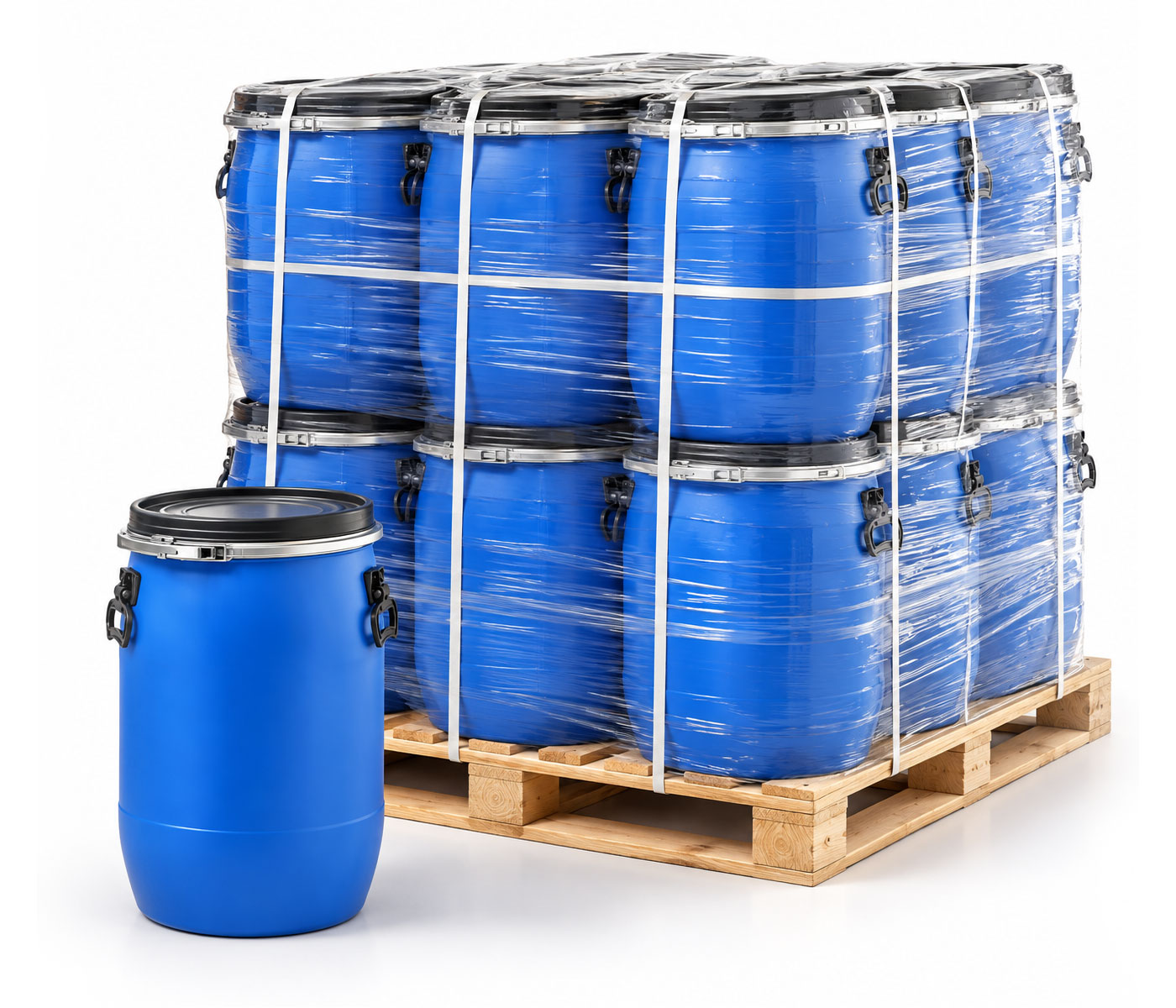
Packed for the voyage
Amaranth Lake ships in standard export-grade 25 kg packs. Each pack is lined to protect the pigment from moisture in transit. Ask us about loading plans for FCL and LCL consignments, and about labels for your market.
- 25 kg drums
- Dual LDPE liners
- Moisture protection
- Sea and air ready
Documents
Certificate of Analysis
Batch results for the lot you buy.
Safety Data Sheet
Handling and storage guidance.
Packing list
Prepared for each consignment.
Commercial invoice
Issued with every shipment.
Non-hazardous certificate
Supplied for export freight.
Documents are supplied as applicable to the product, application and destination. Mention the ones you need in your enquiry.
Dye or lake: which one do you need?
The same colour behaves very differently as a lake. Use this to decide before you request a sample.
Question
Amaranth (soluble dye)
Amaranth Lake
In water
Dissolves
Does not dissolve; disperses as fine particles
How it colours
Tints the water phase evenly
Gives colour from suspended particles
Best suited to
Beverages, syrups, clear liquid systems
Coatings, fats, dry mixes, tablets, panned sweets
Bleeding and migration
Can run into moist neighbours
Lower tendency to migrate; confirm in your system
How you handle it
Dissolve and dose
Disperse or mill, then dose
Regulatory listing
Listed as the dye
Often treated separately; check your market
Need the soluble Amaranth dye instead? Tell us in the enquiry form and we will advise on the right product.
What to watch when you use it
Dispersion quality
Poorly dispersed lake shows as specks or streaks. Pre-disperse and mill, then check a thin film or coated sample.
Tone and blending
Amaranth lake is often blended with other lakes to build deep reds, maroons and browns. Approve the tone of the final blend against your reference, not just the red on its own.
pH of your system
Aluminium lakes can behave differently at the extremes of pH. Trial the lake at the pH of your real product.
Heat and processing
Check the shade after your own heating, baking, panning or compression step, not just in the raw mix.
Market acceptance and labelling
Check that E123 and its lake are accepted for your product category and destination, and whether a label statement applies, before you commit to a recipe.
Storage
Keep sealed, dry and away from strong odours, as directed in the SDS.
Choosing a grade
Your need
What to ask for
Why it matters
Smooth tablet or sugar coating
Fine particle size
Reduces specks and gives an even film.
Deep shade at low use level
Higher dye-content grade
Less pigment needed for the same strength.
Fat-based filling or coating
Grade and carrier suited to oils
Helps even dispersion in the fat phase.
Dry mix or seasoning
Free-flowing powder
Blends evenly with other dry ingredients.
Pharma use
Documents for your destination
Requirements vary by country and dosage form.
Exact dye content, particle size and other limits are stated on the Certificate of Analysis for the batch you buy.
Lab tools for your technical team
Three quick tools built for a lake pigment. They guide planning. Your own trial and the batch COA decide the final specification.
Illustration only. Not a shade match.
See how dose changes the shade
Drag the slider to a dose as a percentage of the finished product or coating (w/w). The beaker is an illustration, not a shade match. Approve the real shade in your own recipe.
Colour
Amaranth Lake
OVERVIEW
Amaranth Aluminium Lake (E123, CI 16185:1): Insoluble Dark-Red Pigment for Coatings & Fat-Based Systems
A lake is a dye fixed onto an insoluble base, so it stays as fine particles instead of dissolving. That is why Amaranth Lake is chosen for coatings, fats, powders and tablets, where a water-soluble yellow would run, streak or stain neighbouring layers.
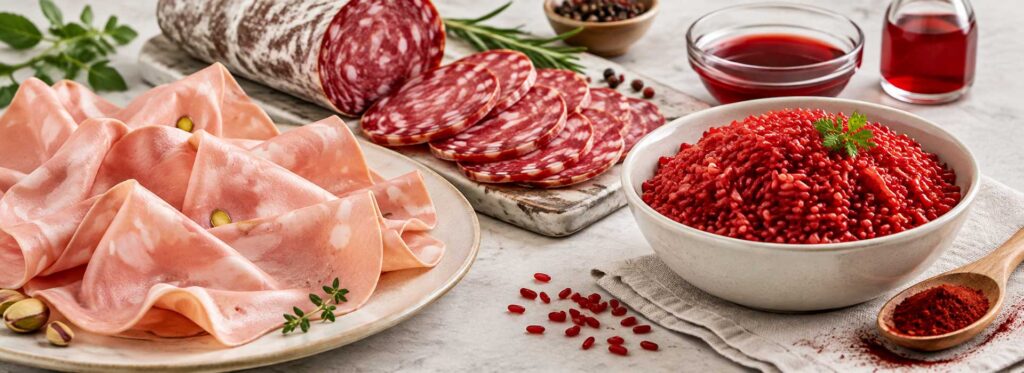
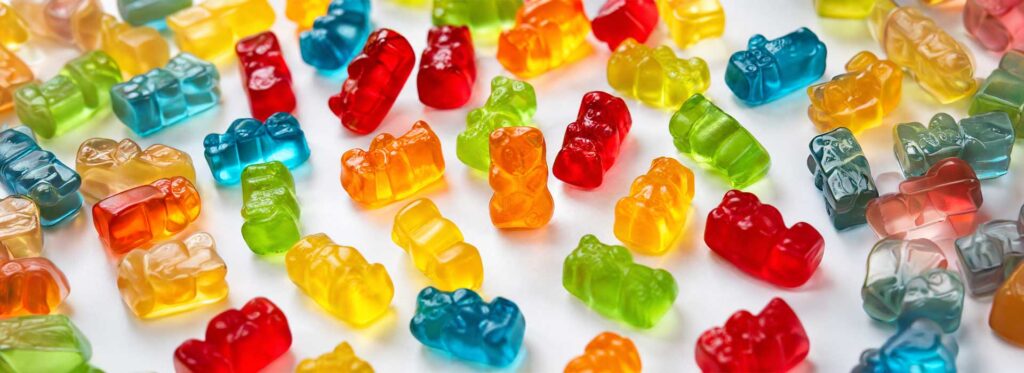
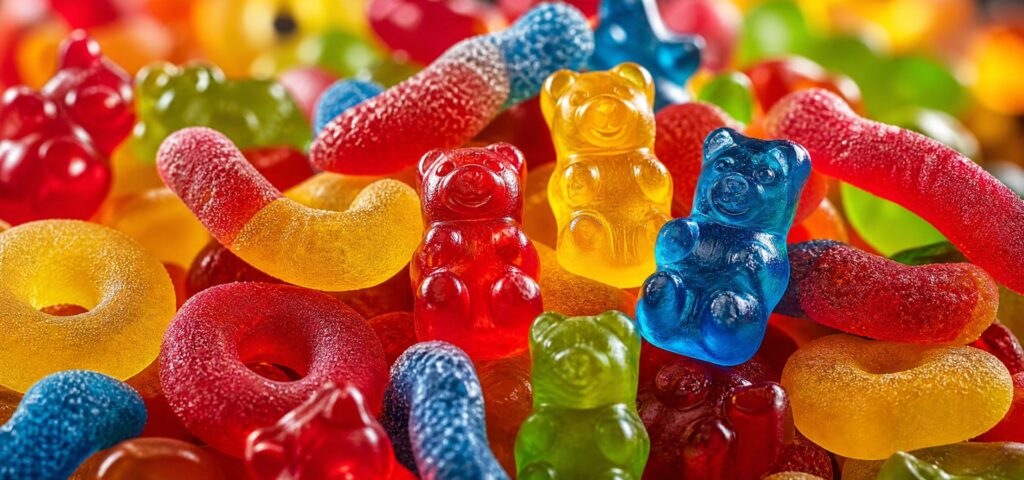
Typical uses include hard-panned and coated confectionery, chewing gum, icings and decorations, fat-based fillings, dry custard and dessert mixes, snack seasonings, pet food and tablet coatings. It colours by dispersion, so particle size and the dispersion method matter as much as the dose.
We supply to importers, distributors and manufacturers, and prepare export paperwork with each shipment. Choose the grade options you are interested in below and they are added to your enquiry.
Dye-content and particle-size options are agreed per order and stated on the Certificate of Analysis.
Available forms
Standard powder
General-purpose lake grade
Higher dye-content grade
For deeper shades at lower use
Fine particle size
For smooth coatings and suspensions
Formulation note: approve before scaling
Amaranth Lake does not dissolve. Disperse it in a suitable vehicle first, such as glycerine, propylene glycol, sugar syrup, oil or a coating suspension, using high-shear mixing or milling to break up agglomerates.
Pro tip
Approve the strength of red, the bluish or burgundy tone and the speck level in your own recipe and process before scaling up, and check the colour in your final pack.
Check your market first
Applications
Where lakes like this are typically used. Results depend on your process and the rest of your formulation, and permitted use depends on the destination market.
Confectionery
- Hard-panned and coated sweets
- Hard candies, gummies, jellies and toffees
- Sugar confectionery and coated sweets
- Chewing gum
- Mouth fresheners
- Sprinkles and sugar decorations
- Layered and striped confectionery
Approve the shade and coating finish in your own panning process.
Bakery and icings
- Cakes, pastries, muffins and sponge bases
- Biscuits and cookies
- Icings and frostings
- Decorations and decorative toppings
- Biscuit and cream fillings
Check the shade after your bake or set step.
Fat-based fillings and coatings
- Compound coatings
- Cream fillings
- Oil-based colour pastes
Pre-disperse into the fat phase and mill for a smooth finish.
Dry mixes
- Custard, pudding and dessert mixes
- Jelly crystals and pudding mixes
- Dessert mixes and instant dessert powders
- Instant drink powders
- Cake and cookie mixes
Blend evenly and trial storage in your pack.
Snacks and seasonings
- Dry seasoning blends
- Coated snack surfaces
Choose a free-flowing grade and test blend uniformity.
Dairy, beverages and sauces
- Ice cream and frozen desserts
- Flavoured milk and milk-based beverages
- Syrups and squashes
- Soft drinks and carbonated beverages
- Fruit drinks and concentrates
- Sweet sauces and toppings
A lake does not dissolve, so it colours these by suspension. Tell us your product so we can advise whether a lake or the soluble dye suits it.
Pharma and nutraceutical
- Tablet film and sugar coatings
- Capsule colouring
- Coloured granules and chewables
Tell us your dosage form and destination market so we can confirm which documents apply.
Pet food
- Coated kibble and treats
- Coloured inclusions
Pet food rules differ by destination. Confirm before ordering.
Quality and why buyers choose Advik Colors
Request the documents you need from the data sheet above.
- FSSAI
- ISO 9001 & ISO 22000
- GMP
- HALAL
- KOSHER
- FDA-registered
- APEDA
- Chemexcil
Our food colour production facility is certified by ISO, FDA, GMP, HALAL and KOSHER to meet international safety standards for food and pharma exports. APEDA and Chemexcil registrations are listed above.
In-house manufacturing
Made in our own plant with strict quality control.
Consistent shade and strength
We work to keep every batch matched to your approved sample.
Export-oriented packaging and documentation
Lined drums and a complete document set.
Bulk availability
Reliable supply for wholesalers and distributors.
Application support
Application support for different food matrices and pH conditions.
Trusted by global importers
Repeat importers rely on us for long-term supply and steady reorders.
·
Find your answer
·
Find your answer
·
Find your answer
·
Find your answer
·
Find your answer
·
Find your answer
·
Find your answer
·
Find your answer
·
Find your answer
·
Find your answer
Read the most frequent questions about Amaranth Lake
Is Amaranth Lake soluble in water?
No. It is an aluminium lake, so it does not dissolve. It is used by dispersing fine particles in a suitable vehicle or directly in the product.
What is the difference between Amaranth and Amaranth Lake?
Amaranth (E123) is the water-soluble dye. The lake is the same colour fixed onto an insoluble base, which suits coatings, fats, powders and tablets where a soluble dye could bleed or migrate.
How do I disperse it?
Pre-disperse it in glycerine, propylene glycol, sugar syrup, oil or a coating suspension using high-shear mixing or milling. Check a thin film or coated sample for specks, and trial in your own process.
Can it be used in fat-based or oily products?
Yes, lakes colour fat-based systems by dispersion. Disperse into the fat phase or a compatible carrier and confirm the result in your own recipe.
Will the red look bluish or burgundy?
The tone depends on the grade, the base, the dose and the other colours in your formulation. Amaranth lake is also commonly blended with other lakes to build deep reds and maroons. Approve the shade against your own reference in your recipe, and ask us for the grade closest to it.
Does it affect taste, aroma or texture?
It is used for colour and is not intended to change flavour or aroma. Fine particles can affect mouthfeel in some products, so confirm in your trial.
Which grades do you supply?
We supply different dye-content and particle-size options. The exact figures for your batch are stated on the Certificate of Analysis.
What are the HSN code, CAS number and E number of Amaranth Lake?
HSN 32050000, E number E123 (parent dye), CAS 915-67-3, EC 213-022-2, C.I. name Acid Red 27 and CI 16185:1. The CAS, EC, formula and weight are those of the parent dye, Amaranth. HS code classification can vary by destination country, so verify it against your import documentation. Amaranth (E123) is not permitted in food in some markets, so check your destination before ordering.
What are the best applications for Amaranth Lake?
Coated, dry and fat-based products where the colour must stay fixed without bleeding.
How does it differ from soluble Amaranth dye?
The lake is insoluble, so it stays embedded in the product instead of dissolving and migrating.
Who buys Amaranth Lake in bulk?
Confectionery makers, bakery premix producers, pharma companies, nutraceutical brands and specialty food processors.
Is it suitable for sugar-coated and panned products?
Yes. It is used in tablets, dragees and panned sweets, where surface colour stability matters. Approve the shade in your own process.
Can the colour strength be adjusted?
Yes. Lake concentration can be tailored to your shade and dosage needs. Tell us your target and we will advise on a trial.
Does it affect taste or aroma?
Not when used as recommended. Approve it in your own product and process.
How does it perform under heat?
It is intended to hold its shade under typical processing temperatures and extended storage. Heat figures are not published, so confirm in your process or ask for the technical data sheet.
What is the minimum order quantity?
The minimum order is 100 kg. Smaller sample quantities can be arranged so you can test before ordering.
What packaging is available?
It ships in 25 kg export packs with liners for moisture protection, suitable for wholesalers, distributors and manufacturers. Ask us about labels and loading plans for your market.
How is it shipped?
It ships by sea (FCL or LCL) or by air. Sea shipments leave from Nhava Sheva or Mundra, and air shipments from Mumbai or Ahmedabad.
Which Incoterms and payment terms do you offer?
We quote FOB and CIF. Payment is by TT (bank transfer) or letter of credit.
How long does delivery take?
Delivery typically takes 3 to 4 weeks. Confirm the schedule for your quantity when you place the order.
Which documents come with the order?
Each shipment includes a commercial invoice, packing list, non-hazardous certificate, Certificate of Analysis and Safety Data Sheet. Other export papers can be prepared on request.
What is the shelf life?
When stored sealed and dry, the lake has a long shelf life. The exact period and storage conditions are in the product documentation.
Is a label statement required when I use it?
Some markets require a label statement or restrict E123 for certain foods. Check the rules for your destination and product category with your regulatory adviser before you finalise the recipe and pack.
Can I use Amaranth Lake in my country or in pharma?
That depends on the country, the product category and the dosage form, and E123 is restricted or not permitted in food in several markets. Rules change over time. Check with your local authority or regulatory adviser, and tell us your destination so we can share the documents we hold.
Is Amaranth lake made from the amaranth plant?
No. Amaranth (E123) is a synthetic azo colour. It shares only a name with the amaranth plant and is not extracted from it.
Do you also supply the soluble Amaranth dye?
Tell us your application in the enquiry form and we will advise whether the dye or the lake is the right fit and what we can supply.
Global markets we serve
Search for your country. Shipping to a country does not mean the colour is permitted there, so check local rules.
Europe and Eurasia
- Denmark
- Finland
- France
- Germany
- Greece
- Italy
- Netherlands
- North Macedonia
- Poland
- Portugal
- Spain
- Sweden
- Switzerland
- United Kingdom
- Turkey
- Russia
- Kazakhstan
- Uzbekistan
Asia-Pacific
- Australia
- Cambodia
- China
- Indonesia
- Japan
- Malaysia
- Myanmar
- Philippines
- Singapore
- South Korea
- Taiwan
- Thailand
- Vietnam
Middle East and Africa
- United Arab Emirates
- Lebanon
- Yemen
- Egypt
- Morocco
- Nigeria
- Ghana
- Kenya
- Tanzania
- Uganda
- Ethiopia
- South Africa
- Namibia
- Malawi
- Lesotho
- Benin
- Togo
- Cameroon
- Gabon
- Burundi
- Sierra Leone
- South Sudan
- Saudi Arabia
Americas
- United States
- Canada
- Mexico
- Central America
- Guatemala
- Costa Rica
- Argentina
- Bolivia
- Brazil
- Chile
- Colombia
- Ecuador
- Paraguay
- Peru
- Venezuela
Enquire About This Product
Articles & insights
·
Articles & insights
·
Articles & insights
·
Articles & insights
·
Articles & insights
·
Articles & insights
·
Articles & insights
·
Articles & insights
·
Articles & insights
·
Articles & insights
·
Insights, Trends & Colour Know-How